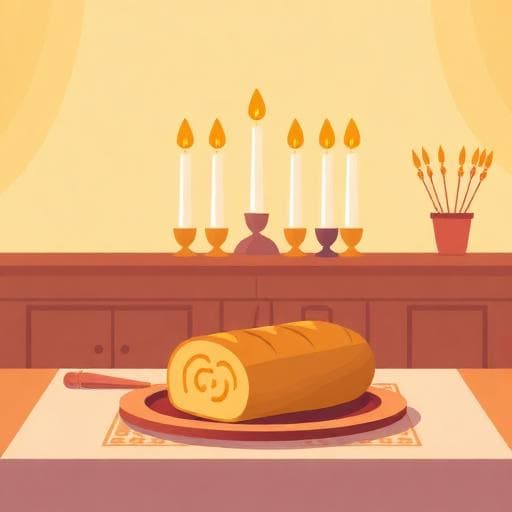
Shabbat Hebrew: Greetings, Blessings & Everything You Need to Know
On a Friday afternoon in Tel Aviv, something shifts. The traffic gets frantic around 3 PM — everyone rushing to get home, pick up challah from the bakery, buy wine. Then, as the sun touches the horizon, the city quiets. The restaurants empty out or fill up, depending on the neighborhood. The buses thin out. In Jerusalem, they stop entirely.
Beginner
Good for your first weeks with Hebrew
You don't have to be Jewish or religious to feel Shabbat in Israel. It structures the week, shapes the culture, and generates a vocabulary that every person in the country knows — religious, secular, atheist. The words of Shabbat are woven into Israeli Hebrew the way Christmas vocabulary is woven into English, except they come every single week.
Whether you're visiting Israel, living here, learning Hebrew, or simply curious about Jewish culture, knowing the language of Shabbat will open doors that staying outside of it will not.
Key takeaway: Even secular Israelis say שַׁבָּת שָׁלוֹם (Shabbat Shalom) every Friday. This single phrase alone tells people you understand something real about Israeli life.
What Is Shabbat and Why Does It Matter for Language Learners?
Shabbat (שַׁבָּת — Shabbat) is the Jewish day of rest, observed from Friday sundown to Saturday night (specifically, when three stars appear in the sky). It commemorates the seventh day of creation, when God rested.
But here's what matters for anyone learning Hebrew or navigating Israeli life: Shabbat is not just a religious concept. It is the rhythm of the entire country.
- The work week runs Sunday to Thursday (or Friday midday) — not Monday to Friday
- Calendars and scheduling in Israel revolve around "before Shabbat" and "after Shabbat"
- The phrase "l'hitrot b'Shabbat" (לְהִתְרָאוֹת בְּשַׁבָּת) is something Israelis say the way others say "see you Monday"
- Friday afternoon has a specific feeling — rushed, festive, slightly chaotic — that Israelis call "לחץ של ערב שבת" (lachatz shel erev Shabbat — Friday evening pressure)
Even if you never attend a synagogue or Shabbat dinner, you'll encounter this vocabulary constantly. And knowing it signals cultural literacy in a way that goes beyond basic Hebrew competence.
The Core Shabbat Vocabulary Table
| Hebrew | Transliteration | English |
|---|---|---|
| שַׁבָּת | Shabbat | The Sabbath / Saturday |
| עֶרֶב שַׁבָּת | erev Shabbat | Friday evening (Shabbat eve) |
| שַׁבָּת שָׁלוֹם | Shabbat Shalom | Peaceful Sabbath (greeting) |
| שַׁבָּת טוֹב | Shabbat Tov | Good Sabbath (greeting) |
| שָׁבוּעַ טוֹב | Shavua Tov | Good week (said after Shabbat ends) |
| נֵר שַׁבָּת | ner Shabbat | Shabbat candle |
| הַדְלָקַת נֵרוֹת | hadlakat nerot | Candle lighting |
| קִידּוּשׁ | Kiddush | Sanctification blessing (over wine) |
| מוֹצִיא | Motzi | Blessing over bread |
| חַלָּה | challah | Braided Shabbat bread |
| הַבְדָּלָה | Havdalah | End-of-Shabbat ceremony |
| מֶלַח | melach | Salt (sprinkled on challah) |
| יַיִן | yayin | Wine |
| בֵּסָמִים | besamim | Spices (used in Havdalah) |
| בֵּית כְּנֶסֶת | beit knesset | Synagogue |
| תְּפִלָּה | tefila | Prayer |
| מְנוּחָה | menucha | Rest / Repose |
| שְׁמִירַת שַׁבָּת | shmirat Shabbat | Shabbat observance |
| חִלּוּלֵי שַׁבָּת | chilulei Shabbat | Shabbat desecration (breaking Shabbat) |
Greetings: What to Say and When
This is the most immediately practical section. Knowing exactly what to say on Friday evening, Saturday, and Saturday night will make you fit naturally into any Israeli context.
On Friday Evening (from sunset)
שַׁבָּת שָׁלוֹם! (Shabbat Shalom!)
This is the universal Shabbat greeting. Said to everyone — religious, secular, your neighbor, the cashier at the supermarket on Friday afternoon, your boss before the weekend. It means "Peaceful Sabbath" or "May your Sabbath be peaceful."
The reply to Shabbat Shalom is also Shabbat Shalom — simple and universal.
שַׁבָּת טוֹב! (Shabbat Tov!)
"Good Sabbath." Slightly more traditional/religious in tone than Shabbat Shalom, but widely used. Some people use both interchangeably; others reserve Shabbat Tov for more observant contexts.
During Saturday
Both Shabbat Shalom and Shabbat Tov remain appropriate throughout the day on Saturday.
You might also hear:
- יוֹם שַׁבָּת טוֹב (yom Shabbat tov — good Shabbat day)
- שַׁבָּת מְנוּחָה (Shabbat menucha — a restful Shabbat)
After Shabbat Ends (Saturday Night)
שָׁבוּעַ טוֹב! (Shavua Tov!)
"Good week!" This is said from when Shabbat ends (typically about 40 minutes after sunset on Saturday) until Sunday morning. It marks the transition back into the regular week and is a beautiful, warm phrase.
💡 Tip: If you're in Israel on a Saturday night and you hear Israelis suddenly greeting each other with Shavua Tov, it's because Shabbat just ended. This is how you know.
Quick Reference Card
| Timing | Hebrew | English |
|---|---|---|
| Friday afternoon | שַׁבָּת שָׁלוֹם | Shabbat Shalom |
| Friday sundown → Saturday | שַׁבָּת שָׁלוֹם / שַׁבָּת טוֹב | Shabbat Shalom / Shabbat Tov |
| Saturday night onwards | שָׁבוּעַ טוֹב | Shavua Tov |
Candle Lighting (הַדְלָקַת נֵרוֹת)
Shabbat begins officially with the lighting of the Shabbat candles (נֵרוֹת שַׁבָּת — nerot Shabbat). This is traditionally done by the woman of the house (though this practice is evolving in many communities) eighteen minutes before sunset on Friday.
At least two candles are lit — symbolizing the two commandments to "remember" and "observe" the Shabbat. The blessing (בְּרָכָה — bracha) recited at candle lighting is:
בָּרוּךְ אַתָּה יְיָ אֱלֹהֵינוּ מֶלֶךְ הָעוֹלָם, אֲשֶׁר קִדְּשָׁנוּ בְּמִצְוֹתָיו וְצִוָּנוּ לְהַדְלִיק נֵר שֶׁל שַׁבָּת
Baruch Ata Adonai, Eloheinu Melech haolam, asher kidshanu bemitzvotav, vetzivanu lehadlik ner shel Shabbat.
Blessed are You, Lord our God, King of the Universe, who has sanctified us with His commandments and commanded us to kindle the Shabbat light.
Even in secular Israeli homes, candle lighting is often observed as a family tradition — the ritual meaning may be minimal or absent, but the act and the feeling of marking the transition into Shabbat remains.
Kiddush (קִידּוּשׁ) — Sanctification Over Wine
The Kiddush (Kiddush — literally "sanctification") is a blessing recited over a cup of wine (כּוֹס יַיִן — kos yayin) to formally welcome Shabbat. It is one of the most recognized pieces of Jewish liturgy worldwide.
The Kiddush is said:
- On Friday night at the Shabbat table
- On Saturday morning at synagogue (and sometimes at home)
- At Jewish celebrations and life cycle events
Key vocabulary around Kiddush:
| Hebrew | Transliteration | English |
|---|---|---|
| כּוֹס | kos | Cup |
| יַיִן | yayin | Wine |
| קִידּוּשׁ | Kiddush | Sanctification blessing |
| לְחַיִּים | l'chaim | To life! (toast) |
| לִשְׁתּוֹת | lishtot | To drink |
| קִדַּשׁ | kidash | Sanctified / said Kiddush |
In secular contexts, you'll often see Israelis use Kiddush as a noun for any Friday night gathering with wine: "עָשִׂינוּ קִידּוּשׁ" (asinu Kiddush — "we did Kiddush") can mean anything from a full religious ceremony to friends sharing wine at the start of dinner.
The Motzi (מוֹצִיא) — Blessing Over Challah
After Kiddush, the Shabbat meal begins with HaMotzi (הַמּוֹצִיא — "the One who brings forth"), the blessing over the challah bread.
בָּרוּךְ אַתָּה יְיָ אֱלֹהֵינוּ מֶלֶךְ הָעוֹלָם, הַמּוֹצִיא לֶחֶם מִן הָאָרֶץ
Baruch Ata Adonai, Eloheinu Melech haolam, hamotzi lechem min ha'aretz.
Blessed are You, Lord our God, King of the Universe, who brings forth bread from the earth.
Challah (חַלָּה)
The challah is the braided bread specific to Shabbat and Jewish holidays. Key facts:
- Two loaves (שְׁתֵּי חַלּוֹת — shtei challot) are placed on the Shabbat table, covered with a cloth
- The bread is sprinkled with salt (מֶלַח — melach) before eating
- The specific braided form has symbolic significance — different numbers of strands for different occasions
Challah has become globally famous as "Jewish braided bread." In Israel, you cannot walk through a supermarket or bakery on Thursday or Friday without seeing them stacked everywhere.
Challah vocabulary:
| Hebrew | Transliteration | English |
|---|---|---|
| חַלָּה | challah | Challah bread |
| קְלִיעָה | kle'ia | Braiding |
| שְׁתֵּי חַלּוֹת | shtei challot | Two challahs |
| כִּסּוּי | kisui | Cover (the cloth over the challah) |
| מֶלַח | melach | Salt |
| לִבְרוֹךְ | livroch | To bless |
Havdalah (הַבְדָּלָה) — The End of Shabbat
If Kiddush marks the opening of Shabbat, Havdalah (הַבְדָּלָה — literally "separation" or "distinction") marks its close. It is a ceremony of beautiful sensory elements:
The Components
Wine or grape juice: The Havdalah is said over a cup, usually filled to overflowing (symbolizing abundance).
Spices (בְּשָׂמִים — besamim): A spice box is passed around and everyone smells it. The fragrance is meant to comfort the soul as the special spiritual quality of Shabbat departs. The spices are traditionally cloves, cinnamon, or other fragrant combinations.
A braided candle (נֵר הַבְדָּלָה — ner Havdalah): Unlike the Shabbat candles (which are separate flames), the Havdalah candle is braided with multiple wicks, representing the rejoining of the weekday world's multiple elements.
The blessing: Recited to formally separate (מַבְדִּיל — mavdil) the holy from the ordinary, Shabbat from the rest of the week.
Key Havdalah Vocabulary
| Hebrew | Transliteration | English |
|---|---|---|
| הַבְדָּלָה | Havdalah | The separation ceremony |
| לְהַבְדִּיל | lehavdil | To separate / distinguish |
| בְּשָׂמִים | besamim | Spices |
| קוֹדֶשׁ לְחוֹל | kodesh lechol | Holy to ordinary (the separation) |
| מוֹצָאֵי שַׁבָּת | motza'ei Shabbat | End of Shabbat (Saturday night) |
| כּוֹכָבִים | kochavim | Stars (Shabbat ends when three are visible) |
The Famous Havdalah Song
אֵלִיָּהוּ הַנָּבִיא (Eliyahu HaNavi — Elijah the Prophet) is traditionally sung at Havdalah. Even many secular Israelis know this melody — it's the kind of song that echoes through Israeli childhoods.
Eliyahu hanavi, Eliyahu hatishbi, Eliyahu, Eliyahu, Eliyahu hagiladi...
Shabbat and the Israeli Week: The Practical Reality
Transport
- Buses: In most Israeli cities, bus service stops Friday afternoon and resumes Saturday night. Jerusalem is particularly strict — buses stop early Friday and the city quiets significantly.
- Trains: Stop on Friday afternoon, resume Saturday night.
- Sherut (shared taxis): Run throughout Shabbat. The most important transport option if you're traveling on Shabbat.
- Taxis and Uber: Always available, at higher prices (Shabbat surcharge applies).
Shops and Businesses
- Most supermarkets and shops are closed on Shabbat (especially in religious areas)
- In Tel Aviv, many restaurants, cafés, and entertainment venues remain open
- In Jerusalem, most of the city center closes, but some areas (like Ben Yehuda Street cafés) stay open
- Shopping malls are closed in most cities on Shabbat
💡 Tip: If you're in Israel on a Friday, do your shopping before 2 PM. The supermarkets close early and the queues before they close are... biblical.
The Israeli Weekend
Israel's workweek is Sunday through Thursday (or Friday midday). The "weekend" is Friday–Saturday. Scheduling meetings for "after the weekend" means Monday in most Western countries — in Israel, it means Sunday.
Shabbat in Secular vs. Religious Israel
One of the most interesting things about Shabbat in Israel is how differently it is observed across the population:
Ultra-Orthodox Communities (חֲרֵדִי — Charedi)
Full observance: no electricity, no driving, no writing, no cooking. Complete rest. These neighborhoods (Mea She'arim in Jerusalem, Bnei Brak) are essentially closed on Shabbat.
Religious Zionist / Modern Orthodox (דָּתִי — Dati)
Shabbat is observed, but with modern sensibility. Synagogue attendance, Shabbat meals, but within a context of engaging with modern Israeli life.
Traditional (מָסוֹרְתִי — Masorti)
Observes selected elements: Shabbat dinner with family, challah and Kiddush, synagogue occasionally, but might also drive or watch TV.
Secular (חִלּוֹנִי — Chiloni)
May observe candle lighting as a family tradition, say "Shabbat Shalom" and mean it culturally, use Shabbat as family time — but without religious observance. This is the majority of Israeli Jews.
The Common Ground
Regardless of observance, almost all Israelis:
- Say Shabbat Shalom to everyone on Friday
- Have some kind of Friday dinner (even if at a restaurant)
- Recognize Saturday as different from other days
- Use Shabbat vocabulary naturally
Phrases for Every Setting
At Work on Friday
| Hebrew | Transliteration | English |
|---|---|---|
| שַׁבָּת שָׁלוֹם לְכֻלָּם | Shabbat Shalom lekuulam | Shabbat Shalom to everyone |
| סוֹף שָׁבוּעַ טוֹב | sof shavua tov | Good weekend |
| נִתְרָאֶה אַחֲרֵי שַׁבָּת | nitra'e acharei Shabbat | See you after Shabbat (= Monday) |
At a Shabbat Dinner (as a Guest)
| Hebrew | Transliteration | English |
|---|---|---|
| תּוֹדָה עַל הַהַזְמָנָה | toda al hahazmanah | Thank you for the invitation |
| לְחַיִּים! | l'chaim! | To life! (toast) |
| הָאֹכֶל טָעִים מְאֹד | ha'ochel ta'im me'od | The food is delicious |
| שַׁבָּת שָׁלוֹם לְכֻלָּם | Shabbat Shalom lekuulam | Shabbat Shalom to everyone |
| בְּתֵיאָבוֹן | be'te'avon | Bon appétit (with appetite!) |
| יָשֵׁר כֹּחַ | yashar koach | Well done / Thank you (traditional) |
Responding to Shabbat Greetings
If someone says Shabbat Shalom, you say Shabbat Shalom back. If someone says Shavua Tov, you say Shavua Tov back.
To a religious person, you might add:
- גַּם לְךָ / גַּם לָךְ (gam lecha / gam lach — "to you as well")
- שַׁבָּת שָׁלוֹם וּמְבֹרָךְ (Shabbat Shalom umvorach — "a peaceful and blessed Shabbat")
Shabbat Songs (Zmirot)
Shabbat songs (זְמִירוֹת — zmirot) are sung at the Friday night table and have been for centuries. Even if you don't know the words, recognizing these melodies is part of cultural literacy:
| Song | Hebrew | Context |
|---|---|---|
| Shalom Aleichem | שָׁלוֹם עֲלֵיכֶם | Opening of the Friday night meal |
| Lecha Dodi | לְכָה דוֹדִי | Welcoming the Shabbat "bride" (synagogue) |
| Eishet Chayil | אֵשֶׁת חַיִל | "Woman of Valor" — said to the mother/wife |
| Yah Ribbon | יָהּ רִבּוֹן | Friday night table song |
| Eliyahu HaNavi | אֵלִיָּהוּ הַנָּבִיא | Havdalah |
Lecha Dodi — "Come, my beloved" — is sung in synagogues at the start of Shabbat. It's beautiful and you'll hear it everywhere from synagogues to shopping mall background music on Friday afternoons.
The Shabbat Table Itself
The physical setup of a Shabbat table is symbolic and specific:
| Item | Hebrew | Transliteration | Significance |
|---|---|---|---|
| White tablecloth | מַפָּה לְבָנָה | mapa levana | Purity / sanctity |
| Two challahs | שְׁתֵּי חַלּוֹת | shtei challot | Two portions of manna in the desert |
| Challah cover | כִּסּוּי חַלָּה | kisui challah | Symbolic modesty (challah "waits" for wine) |
| Kiddush cup | כּוֹס קִידּוּשׁ | kos Kiddush | Silver or special cup for sanctification |
| Candles | נֵרוֹת | nerot | At least two |
| Salt | מֶלַח | melach | Dipped on challah |
What to Say to a Secular Israeli on Friday
This is genuinely useful. If you're in Israel on a Friday afternoon and you want to be culturally fluent:
- Say שַׁבָּת שָׁלוֹם to literally everyone — cashier, colleague, neighbor, the person who held the door
- If someone looks like they're in a hurry, you can add "הֲכֹל מוּכָן?" (hakol muchan? — "is everything ready?") — this is the classic Friday-afternoon check-in
- If you're invited to a Shabbat dinner, bring wine (יַיִן — yayin) or flowers (פְּרָחִים — prachim)
- When you arrive, greet the host with "שַׁבָּת שָׁלוֹם — תּוֹדָה שֶׁהִזְמַנְתֶּם אוֹתִי" (Shabbat Shalom — toda shehizmantem oti — "Shabbat Shalom — thank you for inviting me")
What's Next
- Israeli Humor: Understanding Jokes — another essential window into Israeli culture
- Hebrew Greetings & Phrases — all the essential social language
- Hebrew for Tourists: Complete Guide — practical Hebrew for your Israel trip
- Aliyah Language Prep — if Shabbat is now part of your daily life
- Trainer — practice Shabbat vocabulary
- Lessons — build your Hebrew systematically
#shabbat #shabbatshalom #hebrewculture #jewishlife #israelilife #hebrewphrases
Frequently Asked Questions
What are the essential Shabbat greetings in Hebrew?
The main greeting is שבת שלום (Shabbat shalom — a peaceful Shabbat), said from Friday afternoon through Saturday. Ashkenazi Jews also use גוט שבת (gut Shabes). At Shabbat's end: שבוע טוב (shavua tov — a good week).
What does "Shabbat shalom" literally mean?
שבת (Shabbat) means rest or cessation, and שלום (shalom) means peace/wholeness. Together it's a blessing for a peaceful day of rest — and שלום itself can mean hello, goodbye or peace, so it's a versatile greeting.
What Hebrew phrases are used during the Shabbat meal?
Key expressions: קידוש (kiddush — blessing over wine), מוציא/המוציא (blessing over bread), שבת שלום at the table, and בתיאבון (bete'avon — enjoy your meal). Even secular Israeli families use many of these.
How is Shabbat different in Israel vs. the diaspora?
In Israel, Shabbat is the national day of rest — most businesses close, public transport in many cities stops and the atmosphere shifts noticeably from Friday evening. This makes knowing Shabbat-related vocabulary practically useful, not just cultural.
How do I learn Shabbat and Jewish holiday vocabulary?
Start with the weekly greetings and the most common blessings, then expand to holiday-specific terms. Drill them with the flashcards trainer and see them in context in the Israeli holidays article.