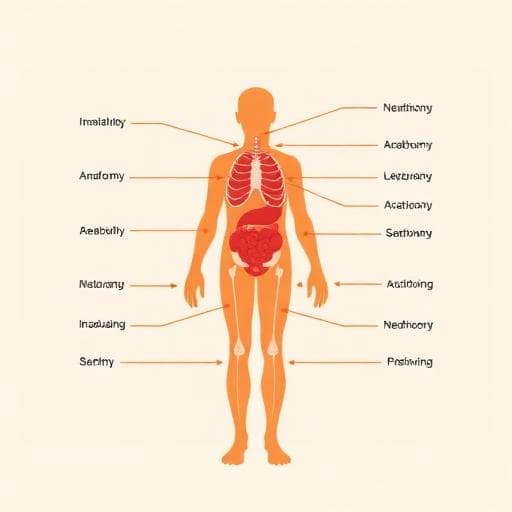
Hebrew Body Parts: Head to Toe With Tables & Useful Phrases
Whether you're describing an ache to a doctor, playing a game of "head, shoulders, knees and toes," or trying to understand what someone means when they say you have "עיניים יפות" (beautiful eyes), knowing body parts in Hebrew is genuinely useful.
Body vocabulary is one of the most practical things you can learn — it comes up in healthcare, in everyday expressions, in exercise contexts, and in a surprisingly large number of Hebrew idioms. (Spoiler: Israelis have a lot of idioms involving body parts.) Plus, Hebrew has a fascinating grammatical feature for paired body parts that you won't find in most European languages.
Let's start at the top and work our way down.
Key takeaway: Hebrew has a special grammatical form called the dual (זוגי, zugi) for things that come in pairs — eyes, ears, hands, feet. This form adds ַיִם (-ayim) to the noun. It's unique, poetic, and easy to spot once you know it.
Beginner
Just need the alphabet. Body parts are basic, useful vocabulary (also at the doctor).
The Head and Face
| English | Hebrew | Transliteration | Notes |
|---|---|---|---|
| Head | ראש | rosh | Also means "beginning" and "leader"! |
| Face | פנים | panim | Grammatically plural — "faces" — but means one face |
| Hair | שיער | se'ar | Collective noun |
| Forehead | מצח | metsach | |
| Eye | עין | ayin | Dual: עיניים (einayim) |
| Eyebrow | גבה | gaba | Dual: גבות (gabot) |
| Eyelash | ריס | ris | Plural: ריסים (risim) |
| Ear | אוזן | ozen | Dual: אוזניים (oznayim) |
| Nose | אף | af | Also means "anger" in biblical Hebrew |
| Mouth | פה | pe | Also means "here" — same spelling, different vowels! |
| Lip | שפה | safa | Also means "language/shore" — poetic! |
| Tongue | לשון | lashon | Also means "language" |
| Tooth | שן | shen | Plural: שיניים (shinayim) — dual! |
| Cheek | לחי | lechi | Dual: לחיים (lechaim) — "l'chaim!" means "to life/cheeks" |
| Chin | סנטר | santar | |
| Jaw | לסת | leset | |
| Neck | צוואר | tsavar | |
| Throat | גרון | garon |
💡 Tip: The famous Jewish toast "לחיים!" (L'chaim!) literally means "to the lives!" — the word לחיים is the dual of chayim (life). It's also identical to the dual of lechi (cheek) — making it one of Hebrew's most charming coincidences!
The Dual Form: A Special Hebrew Feature
Hebrew has three grammatical numbers: singular, plural, and dual. The dual specifically denotes pairs and is used for:
- Paired body parts (eyes, ears, hands, feet, etc.)
- Time periods that come in pairs (שבועיים = two weeks, חודשיים = two months)
- Some common paired objects
The dual adds ַיִם (-ayim) to the base of the noun:
| Singular | Meaning | Dual | Meaning |
|---|---|---|---|
| עין (ayin) | one eye | עיניים (einayim) | (two) eyes |
| אוזן (ozen) | one ear | אוזניים (oznayim) | (two) ears |
| יד (yad) | one hand | ידיים (yadayim) | (two) hands |
| רגל (regel) | one leg/foot | רגליים (raglayim) | (two) legs/feet |
| ברך (berech) | one knee | ברכיים (bircayim) | (two) knees |
| כתף (katef) | one shoulder | כתפיים (katfayim) | (two) shoulders |
In everyday speech, the dual form is used as the default when talking about body parts — you'd say "the eyes" (עיניים) rather than "two eyes" (שתי עיניים), because eyes always come in pairs.
💡 Tip: When a doctor asks about your eye or ear (one specific side), they'll use the singular: "הכאב הוא בעין הימנית" (The pain is in the right eye). For general reference to the organ, the dual is standard.
The Upper Body
| English | Hebrew | Transliteration | Notes |
|---|---|---|---|
| Shoulder | כתף | katef | Dual: כתפיים (katfayim) |
| Arm | זרוע | zero'a | Also means "strength/power" biblically |
| Elbow | מרפק | marpek | |
| Wrist | פרק כף היד | perek kaf hayad | Literally "joint of the palm of the hand" |
| Hand | יד | yad | Dual: ידיים (yadayim) |
| Palm | כף יד | kaf yad | Literally "spoon of hand" |
| Finger | אצבע | etsba | Plural: אצבעות (etsba'ot) |
| Thumb | אגודל | agudal | |
| Fingernail | ציפורן | tsiporen | Also means "claw/nail" |
| Chest | חזה | chaze | |
| Breast | שד | shad | |
| Heart | לב | lev | One of the most used words in Hebrew! |
| Lung | ריאה | re'a | Dual: ריאות (re'ot) — actually plural |
| Stomach | קיבה | keva | The organ |
| Belly / Tummy | בטן | beten | Colloquial/external |
| Back | גב | gav | |
| Spine | עמוד שדרה | amud shidra | Literally "pillar of the spine" |
| Rib | צלע | tsela | Also means "side/flank" |
The Lower Body
| English | Hebrew | Transliteration | Notes |
|---|---|---|---|
| Hip | ירך | yarech | Also means "thigh" |
| Leg / Foot | רגל | regel | Dual: רגליים (raglayim) |
| Thigh | ירך | yarech | Same as hip! Context matters |
| Knee | ברך | berech | Dual: ברכיים (bircayim) |
| Shin | שוק | shok | |
| Ankle | קרסול | karsol | |
| Heel | עקב | akev | Related to the name יעקב (Jacob) — who grasped his brother's heel at birth! |
| Toe | אצבע רגל | etsba regel | Literally "finger of foot" |
| Sole | כף רגל | kaf regel | Literally "spoon of foot" |
Internal Organs
| English | Hebrew | Transliteration |
|---|---|---|
| Brain | מוח | mo'ach |
| Heart | לב | lev |
| Lung | ריאה | re'a |
| Liver | כבד | kaved |
| Kidney | כליה | kilya |
| Stomach (organ) | קיבה | keva |
| Intestine | מעי | me'i |
| Blood | דם | dam |
| Bone | עצם | etsem |
| Muscle | שריר | sharir |
| Skin | עור | or |
| Vein | וריד | varid |
Essential Medical Phrases
These phrases could genuinely help you in a medical situation in Israel:
Describing pain:
- "כואב לי ה..." (Ko'ev li ha...) — My ... hurts (literally "it hurts to me the...")
- "יש לי כאב בגב" (Yesh li ke'ev ba'gav) — I have back pain
- "הראש שלי כואב" (Ha'rosh sheli ko'ev) — My head hurts (headache)
- "כואב לי הבטן" (Ko'ev li ha'beten) — My stomach hurts
At the doctor:
- "היכן כואב לך?" (Heychan ko'ev lecha?) — Where does it hurt?
- "מתי זה התחיל?" (Matai ze hitchil?) — When did it start?
- "הראה לי איפה" (Har'e li eifo) — Show me where
- "אני צריך/צריכה לרופא" (Ani tsarich/tsricha le'rofe) — I need a doctor
- "קרא לאמבולנס!" (Kra le'ambulans!) — Call an ambulance!
- "יש לי אלרגיה ל..." (Yesh li alergia le...) — I'm allergic to...
Specific conditions:
- "יש לי חום" (Yesh li chom) — I have a fever
- "אני מרגיש/מרגישה לא טוב" (Ani margish/margisha lo tov) — I'm not feeling well
- "יש לי שיעול" (Yesh li shi'ul) — I have a cough
- "קשה לי לנשום" (Kashe li linshom) — I have difficulty breathing
💡 Tip: The construction "כואב לי ה..." (literally "it hurts to me the...") is how Hebrew expresses pain. The body part takes a definite article (ה-). It's different from English "my X hurts" — think of it as "the X hurts TO me."
Body Part Idioms in Hebrew
Hebrew is packed with colorful expressions using body parts:
| Idiom | Literal | Meaning |
|---|---|---|
| לשים לב (lasim lev) | to put the heart | to pay attention |
| יד ביד (yad be'yad) | hand in hand | together, side by side |
| פה אחד (pe echad) | one mouth | unanimously |
| מעל הראש (me'al ha'rosh) | above the head | overwhelmed, over one's head |
| על הפנים (al ha'panim) | on the face | terrible, awful (slang) |
| נתן לב (natan lev) | gave heart | paid attention |
| נקי ידיים (naki yadayim) | clean hands | innocent, not involved |
| שבר את הראש (shavar et ha'rosh) | broke the head | to rack one's brain |
| עמד על הרגליים (amad al ha'raglayim) | stood on the feet | became independent/self-sufficient |
| צמרמורת (tsimarmóret) | chills — literally "goosebumps" | gives me the chills |
| עיניים מאחורה (einayim me'achoray) | eyes in the back | to have eyes in the back of your head |
| לב גדול (lev gadol) | big heart | generous, kind |
💡 Tip: לשים לב (lasim lev, literally "to put the heart") is one of the most common phrases in Hebrew. It means "to pay attention" or "to notice." You'll hear it constantly: "שים לב!" (Sim lev!) — "Pay attention!" / "Watch out!"
Quick Reference: 35+ Body Parts at a Glance
| English | Hebrew | Transliteration |
|---|---|---|
| Head | ראש | rosh |
| Hair | שיער | se'ar |
| Face | פנים | panim |
| Eye | עין / עיניים | ayin / einayim |
| Ear | אוזן / אוזניים | ozen / oznayim |
| Nose | אף | af |
| Mouth | פה | pe |
| Tooth | שן / שיניים | shen / shinayim |
| Tongue | לשון | lashon |
| Neck | צוואר | tsavar |
| Shoulder | כתף / כתפיים | katef / katfayim |
| Arm | זרוע | zero'a |
| Hand | יד / ידיים | yad / yadayim |
| Finger | אצבע | etsba |
| Chest | חזה | chaze |
| Heart | לב | lev |
| Stomach | בטן | beten |
| Back | גב | gav |
| Leg | רגל / רגליים | regel / raglayim |
| Knee | ברך / ברכיים | berech / bircayim |
| Foot | רגל | regel |
| Skin | עור | or |
| Bone | עצם | etsem |
| Blood | דם | dam |
| Brain | מוח | mo'ach |
What's Next
You've covered the body — now flex those Hebrew muscles further:
- Hebrew Verb Conjugation Guide — learn to conjugate action verbs so you can say what the body does, not just what it is
- 100 Everyday Conversational Phrases — put body language and vocabulary together in real conversations
- HebrewGlot Trainer — drill body parts with spaced repetition until they're in your muscle memory (pun intended)
"גוף בריא, נפש בריאה" — A healthy body, a healthy soul. Now your Hebrew vocabulary is both! 💪
Frequently Asked Questions
Why are many Hebrew body parts grammatically feminine?
Body parts that come in pairs — יד (hand), רגל (leg), עין (eye), אוזן (ear) — are usually feminine and take the dual ending ־יים: ידיים, רגליים, עיניים. This is a distinctive and consistent feature worth learning early.
What is the "dual" form and why do body parts use it?
Hebrew has a special dual number (זוגי) for things that naturally come in twos, marked by ־יים. Paired body parts almost always appear in this form rather than a regular plural — עיניים (two eyes), not עינים.
How do I say "my head hurts" in Hebrew?
Use כואב לי ה... + body part: כואב לי הראש (my head hurts), כואב לי הגב (my back hurts). This is one of the most useful patterns for the doctor or pharmacy.
What's the word for "body" in Hebrew?
גּוּף (guf) means body. Related useful words include עור (or — skin), עצם (etsem — bone) and שריר (shrir — muscle).
How can I practice body-part vocabulary?
Point to each part and name it out loud, or play "Simon Says" in Hebrew. Lock the words in with the flashcards trainer — they're also essential for medical situations.
Related lessons and trainers
#hebrewvocabulary #hebrewbodyparts #learnhebrew #medicalhebrew #hebrewgrammar #hebrewforbeginners